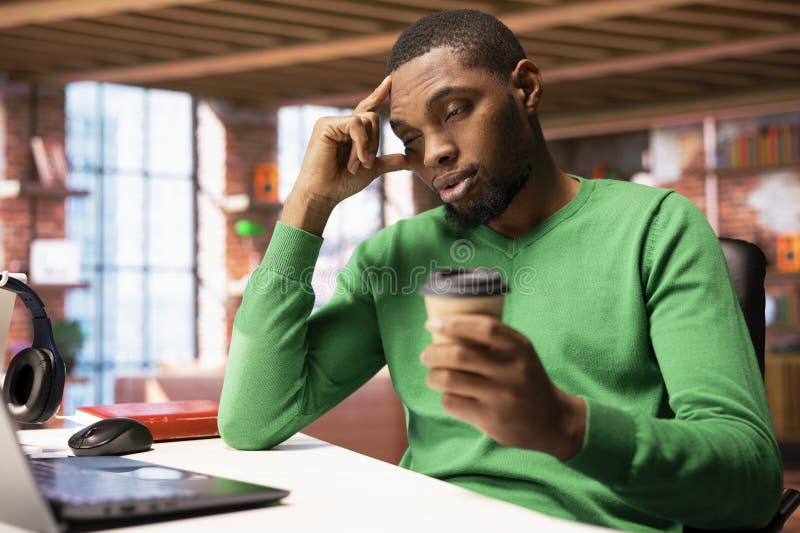
I used to think caffeine had a six-hour half-life. That was the number I carried in my head, the one that let me drink coffee at 3 PM and tell myself it would be "out of my system by bedtime." I was wrong. Not slightly wrong. Catastrophically wrong. And it took three consecutive nights of staring at my ceiling at 2 AM to finally admit it.
I'm Alex Morgan. I live in Seattle, Washington, a city that runs on coffee the way other cities run on gasoline. I work in tech, which means my schedule is a mix of early morning meetings and late-night debugging sessions. Coffee was not a luxury for me. It was infrastructure. And like most infrastructure, I didn't think about it until it broke.
The breaking point came in May 2026. I had started wearing a WHOOP strap, one of those fitness trackers that measures heart rate variability and sleep quality. I wasn't trying to optimize my health. I was just curious. But curiosity, in this case, was a brutal teacher.
My baseline data was clean. I was drinking two cups of coffee in the morning, finishing by 10 AM. My sleep latency — the time it took me to fall asleep — averaged twelve minutes. My REM sleep was solid. My heart rate variability was in the 65th percentile for my age. I felt, by my low standards, pretty good.
Then I started hitting the afternoon wall. You know the one. That 2:30 PM crash where your brain feels like it's running on a single AA battery. My solution was a double espresso from the shop downstairs. Small. Quick. Socially acceptable in a city where espresso is basically tap water. I drank it at 3:15 PM, 3:30 PM, sometimes as late as 4 PM. And I slept fine, or so I thought.
The WHOOP told a different story. On days I had the afternoon espresso, my sleep latency jumped to 34 minutes. Thirty-four minutes of lying in the dark, staring at the ceiling, replaying conversations from 2019. My heart rate variability dropped by 18%. My deep sleep decreased by 22%. And I woke up feeling groggy, which meant I needed more coffee, which meant the cycle repeated.
I didn't make the connection at first. I blamed work stress. I blamed the Seattle weather. I blamed my mattress, which was five years old and probably due for replacement. It took a full week of data before I noticed the pattern: the afternoon espresso days were the bad sleep days. Every single time.
The science, which I finally bothered to read, was devastating. Caffeine's half-life is indeed around five to six hours for most people. But half-life doesn't mean "gone." It means "half gone." If you drink 200mg of caffeine at 3 PM, you still have 100mg in your system at 9 PM. You still have 50mg at 3 AM. That's enough to suppress adenosine, the neurotransmitter that makes you sleepy, and disrupt your sleep architecture even if you don't feel wired.
And here's the cruel part: caffeine withdrawal starts while you're still sleeping. Your body metabolizes it overnight, and by morning, you're in mild withdrawal. That's why you wake up craving coffee. Not because you need it to function, but because your brain is rebounding from the drug you fed it twelve hours ago.
I ran an experiment. Two weeks without afternoon caffeine. No espresso after 12 PM. No tea after 2 PM. No dark chocolate after 4 PM. The first three days were miserable. Headaches. Fog. Irritability that made me snap at a Slack bot. I felt like I was operating at 60% capacity, which was terrifying because I thought 60% was my normal.
By day five, something shifted. I fell asleep in eight minutes. Eight. My HRV jumped back to baseline. My deep sleep increased by 30%. I woke up before my alarm, something that hadn't happened since I was twenty. And the kicker? I didn't need my morning coffee as desperately. I still drank it, but it was a choice, not a compulsion.
The afternoon wall didn't disappear. But it changed shape. Instead of a crushing fatigue that demanded a chemical solution, it became a gentle dip that I could manage with a ten-minute walk, a glass of water, or — radical idea — a five-minute nap. The solutions were there all along. I had just trained myself to ignore them in favor of the quickest fix.
Energy drinks, I should mention, are even worse. The 2026 market is flooded with them — Bucked Up, Celsius, Monster, the endless parade of cans promising focus and performance. Many contain 300mg of caffeine per serving, plus other stimulants like taurine and guarana that extend the effect. I tried one once at 2 PM. I didn't sleep until 4 AM. Never again.
The FDA says 400mg of caffeine per day is safe for most healthy adults. What they don't say is that timing matters as much as dosage. 400mg consumed entirely before 10 AM is very different from 400mg spread across the day. Your body doesn't care about your daily total. It cares about what's in your bloodstream when you're trying to sleep.
I still love coffee. I still drink it every morning, black and strong, the way Seattle intended. But I've moved my cutoff to 12 PM, and I've become religious about it. The afternoon espresso is gone. The 4 PM cold brew is history. And my sleep has never been better.
If you're reading this at 3 PM with a coffee in your hand, I'm not judging you. I'm just saying: the cost might be higher than you think. And the only way to know is to measure it. Track your sleep. Notice the patterns. Ask the uncomfortable question: is this drink worth the night?
What time is your last cup — and what is it actually costing you?
